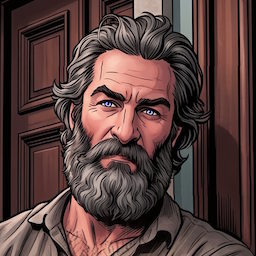
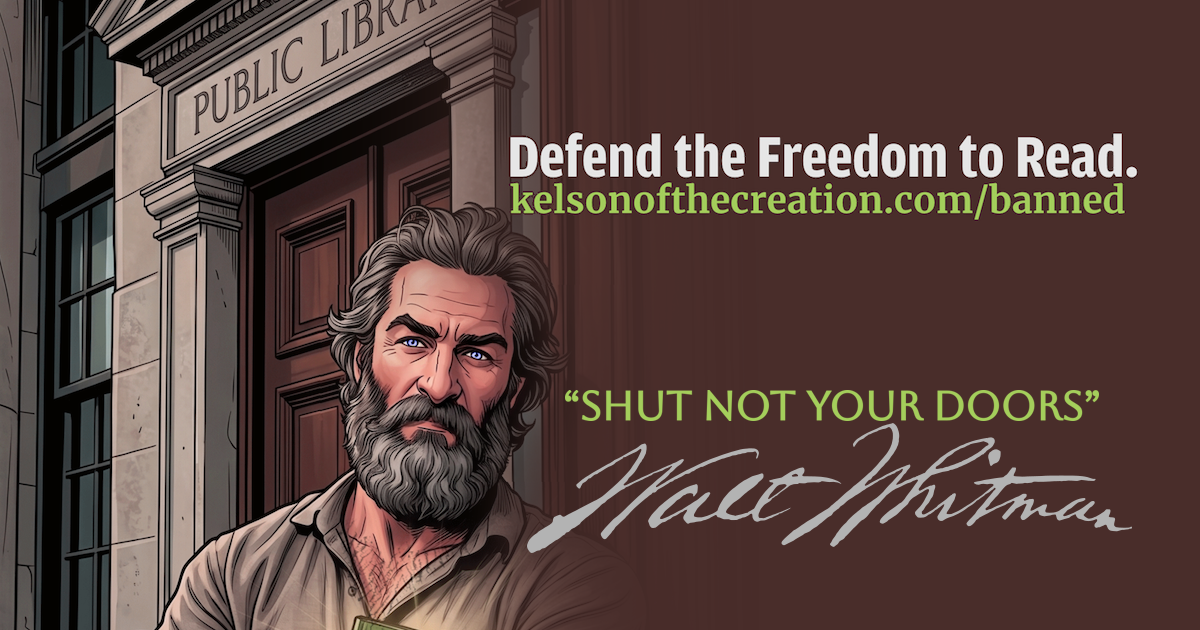
In 1882, Boston authorities officially threatened Leaves of Grass with criminal prosecution for obscenity, demanding sweeping censorship. Dropped by his publisher, Walt Whitman refused to surrender a single line.
Today, America’s poet of democracy stands before chained library doors to remind us that censorship is an ancient reflex — and that intellectual freedom requires constant defense.
The Boston Ban of 1882
In March 1882, the New England Society for the Suppression of Vice prodded Boston District Attorney Oliver Stevens to classify Leaves of Grass as obscene literature under Massachusetts statutes. Publisher James R. Osgood & Co. handed Whitman an ultimatum: expurgate entire poems and dozens of passages, or face criminal indictment.
Whitman drew an absolute line, declaring:
“The list whole & several is rejected by me, & will not be thought of under any circumstances.”
When Osgood abandoned the book, Whitman reclaimed his electrotype plates, transferred publication to Philadelphia, and watched the uncensored edition sell out its first printing in a single afternoon.
The Conscience of Dissent
Whitman’s refusal to submit to censorship grew directly out of his lifelong immersion in the Hicksite Quaker tradition. Inspired by the radical preacher Elias Hicks, Whitman believed the divine spark dwelt equally within each individual conscience — free from ecclesiastical control, state magistrates, or self-appointed arbiters of taste.
For Whitman, American democracy itself was impossible without an unchained, inquiring public mind.
The Modern Echo
The impulse to shutter libraries and purge collections never disappears; it only changes targets. As new waves of challenges sweep school boards and municipal branches, Whitman’s 1865 plea to the proud libraries of the republic remains urgent:
“Shut not your doors to me proud libraries,
For that which was lacking among you all, yet needed most, I bring…”